
Leprosy
Leprosy, also known as Hansen’s disease, is a chronic infectious disease caused by Mycobacterium leprae. It primarily affects the skin, peripheral nerves, upper respiratory tract, and eyes. The disease is named after Dr. Gerhard Armauer Hansen, who discovered the causative bacterium in 1873.
Leprosy has been recognized and documented for thousands of years, historically surrounded by severe social stigma and misconceptions. It is characterized by long-term progression and can lead to significant physical deformities and disabilities if left untreated.
He was missing parts of his fingers and toes. His nose had been eaten away by the disease, leaving a raw, red crater in the middle of his face. But his eyes, still intact, were sharp and alert, full of life and intelligence
Barbara Kingsolver, The Poisonwood Bible
Despite significant advances in treatment and a drastic reduction in prevalence worldwide, leprosy remains a public health concern in many developing countries. Children, in particular, are vulnerable due to their prolonged and close contact with infected individuals, often within the household. Early diagnosis and prompt treatment are crucial in preventing the progression of the disease and associated complications, which can lead to long-term disabilities.
Why am I writing about a disease largely forgotten in the Western world? Because the first case of this relatively rare disease has been reported in the Northern Territory, and the fifth case this year. Like a lot of once commonplace diseases, we have lost the exposure. Few of the clinicians I work with will have seen diphtheria, polio, or tetanus. As they become increasingly obscure, they fall off our diagnostic radar.
What is Leprosy?
Pathogenesis
Mycobacterium leprae slowly multiply within the host. The bacteria have a predilection for cooler parts of the body, such as the skin, peripheral nerves, and the upper respiratory tract. The immune response to the infection varies greatly, leading to a spectrum of clinical manifestations. It’s broadly classified into two polar forms: tuberculoid leprosy and lepromatous leprosy, with intermediate forms falling in between.
- Tuberculoid Leprosy: Characterized by a strong cell-mediated immune response, resulting in fewer lesions and less bacterial load. Skin lesions are typically well-defined and hypo-pigmented with sensory loss.
- Lepromatous Leprosy: Associated with a weak immune response, leading to numerous lesions and a high bacterial load. Lesions are more diffuse, often with nodules and extensive skin involvement, and can lead to severe nerve damage.
How is leprosy transmitted?
Leprosy is primarily transmitted via respiratory droplets from the nose and mouth during close and frequent contact with untreated cases. The exact transmission mechanism remains unclear, but prolonged exposure is typically necessary. Leprosy is not highly contagious, and over 95% of the human population has a natural immunity to the disease. The incubation period of leprosy is long, ranging from several months to up to 20 years, which complicates efforts to track and control the spread of the disease.
Leprosy through history
Leprosy is one of the oldest recorded diseases in human history, with references stretching back to ancient civilizations. Historical texts from Egypt, India, and China describe a disease resembling leprosy as far back as 600 BC. Throughout history, leprosy has been shrouded in stigma, often leading to the isolation and ostracization of those affected.

Ancient Times
And the priest shall look on the plague in the skin of the flesh: and when the hair in the plague is turned white, and the plague in sight be deeper than the skin of his flesh, it is a plague of leprosy: and the priest shall look on him, and pronounce him unclean.
Leviticus 13:3 (King James Version)
In ancient times, leprosy was often viewed as a divine punishment or a curse. The disease is mentioned in religious texts, including the Bible, where it was referred to as “tzaraath.” People with leprosy were frequently isolated in leper colonies or forced to live on the fringes of society. This period was marked by a lack of understanding of the disease’s aetiology and transmission, contributing to the stigma and fear surrounding it.

Middle Ages
It was no more than a poor leper hospital, little more than a large hut, roofed with straw and divided into cubicles, each with a pallet bed, a table, and a chair. The lepers lived there, apart from the healthy, cared for by brothers and sisters of the order who had dedicated themselves to this service, risking their own health and lives.
Ellis Peters, The Leper of Saint Giles
Leprosy remained a significant public health issue in Europe during the Middle Ages. Leprosaria, or leper hospitals, were established to isolate and care for people with leprosy. These institutions provided some relief but also reinforced patients’ social isolation. The cause of leprosy was still unknown, and misconceptions about its transmission persisted.

Discovery of the Causative Agent
A major breakthrough in the understanding of leprosy came in 1873 when Dr. Gerhard Armauer Hansen, a Norwegian physician, identified Mycobacterium leprae as the causative agent of leprosy. We stopped thinking of leprosy as a supernatural curse. It became a bacterial disease. Hansen’s work laid the foundation for future research and opened the door to scientific approaches to diagnosis and treatment.
20th Century Advancements
The 20th century saw significant advancements in the treatment and management of leprosy. The development of effective antimicrobial therapies, such as dapsone, in the 1940s marked the beginning of successful treatment regimens. In the 1980s, the World Health Organization (WHO) recommended multi-drug therapy (MDT), combining dapsone, rifampicin, and clofazimine, which proved to be highly effective in treating leprosy and preventing drug resistance.
The epidemiology of leprosy
Leprosy remains a significant public health issue in several regions of the world, particularly in tropical and subtropical areas. Although the overall global prevalence of leprosy has decreased due to effective treatments and public health efforts, the disease still poses challenges, especially in endemic countries.

According to the World Health Organization (WHO), more than 200,000 new cases of leprosy were reported globally in 2019. Most of these cases were concentrated in a few countries, including India, Brazil, and Indonesia, and account for over 80% of the new cases. Leprosy is more prevalent in areas with poor living conditions, limited access to healthcare, and high population density.
Children are particularly vulnerable for many reasons, including their prolonged and close contact with untreated infected individuals, often within their own households. Paediatric cases of leprosy are crucial indicators of ongoing community transmission, reflecting recent infections and highlighting areas where public health interventions are needed most.
Incidence and Prevalence in Children
- Incidence: The incidence of leprosy in children varies widely by region. In endemic areas, children under 15 years constitute 10-20% of all new leprosy cases. This high percentage indicates active transmission within communities and underscores the need for targeted interventions.
- Prevalence: The prevalence of paediatric leprosy provides insight into the burden of the disease and the effectiveness of public health measures. Despite overall declines in leprosy cases, the consistent identification of new paediatric cases suggests that transmission is still occurring, often in settings with inadequate health infrastructure and education.
How is leprosy spread?
The bacterium Mycobacterium leprae is primarily transmitted through human-to-human contact, although environmental factors also play a role.
Human-to-Human Contact
The predominant mode of transmission for leprosy is prolonged and close contact with an infected person, particularly someone who has not yet received treatment. The bacteria spread through respiratory droplets, making close and frequent contact necessary for transmission. This can occur through:
- Respiratory Droplets: When an infected person sneezes or coughs, they can release Mycobacterium leprae droplets into the air. If these droplets are inhaled by a susceptible individual, transmission can occur. This mode of transmission is similar to how other respiratory infections, such as tuberculosis, spread.
- Prolonged Contact: Family members and individuals living in the same household as an untreated leprosy patient are at a higher risk of contracting the disease. The extended duration and closeness of contact are key factors in transmission.
- Skin Contact: Although less common, direct skin contact with the lesions of an infected person may also play a role, especially if there are cuts or abrasions on the skin of the susceptible person.

Environmental Factors
While human-to-human transmission is the primary route of infection, a number of environmental factors also contribute to the spread of leprosy. These include:
- Soil and Water: Some studies suggest that Mycobacterium leprae can survive in soil and water for extended periods. People who come into contact with contaminated soil or water may be at risk, particularly where leprosy is endemic. Whilst not well-established, this transmission mode is a subject of ongoing research.
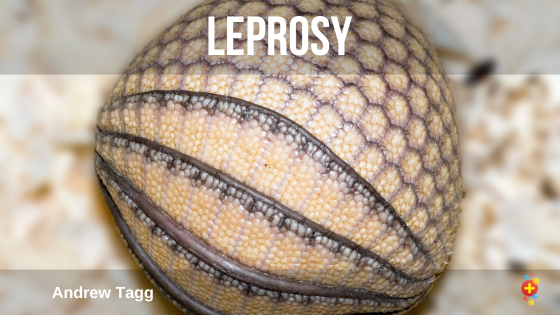
- Zoonotic Transmission: Certain animal species, such as armadillos in the Americas, have been found to harbour Mycobacterium leprae. Humans who handle these animals or come into contact with their habitats might be at risk of contracting leprosy.
- Vector-Borne Transmission: Limited evidence suggests insects, such as mosquitoes or bedbugs, could act as vectors for Mycobacterium leprae. However, this has not been proven conclusively and remains a topic for further investigation.
What Factors Influence Transmission?
Several factors influence the likelihood of transmission, including:
- Immune System: Most people have a natural immunity to leprosy. Only a small fraction of those exposed to Mycobacterium leprae will develop the disease. Genetic factors and the overall health of the immune system play significant roles in susceptibility.
- Hygiene and Living Conditions: Poor living conditions, overcrowding, and lack of access to clean water and sanitation can increase the risk of transmission. Improved living standards and hygiene practices are associated with lower rates of leprosy.
- Early Diagnosis and Treatment: Prompt diagnosis and treatment of leprosy with Multi-Drug Therapy (MDT) can effectively reduce the risk of transmission. Treated patients are typically no longer infectious within a few days to weeks of starting therapy.
Clinical Manifestations of leprosy
Leprosy can present with a wide range of symptoms, depending on the form and severity of the disease and the patient’s immune response. Recognizing these symptoms in children is crucial for early diagnosis and treatment.
Symptoms in Children
Symptoms can be broadly categorized into skin lesions, neurological symptoms, and musculoskeletal symptoms.


Skin Lesions
Hypo-pigmented or Reddened Patches: Children often present with pale or reddish skin patches that are numb to touch.
Raised Lesions or Nodules: These can appear on the skin, sometimes with a shiny appearance.
Dry and Scaly Skin: Affected areas may become dry, scaly, and hairless.
Neurological Symptoms
Numbness: Loss of sensation in the affected skin patches is a hallmark of leprosy. This numbness can lead to unnoticed injuries and secondary infections.
Peripheral Neuropathy: Children may experience tingling, pain, or limb weakness due to nerve involvement.
Muscle Weakness
Weakness in Hands and Feet: Muscle weakness can lead to difficulty in gripping objects or walking, sometimes resulting in clawing of fingers or foot drop.
Wasting of Muscles: Over time, untreated nerve damage can cause muscle atrophy, leading to visible wasting and deformity.
Differences in Presentation Between Children and Adults
While the clinical manifestations of leprosy can be similar in children and adults, there are some notable differences.
- Skin Lesions: In children, the skin lesions are often more hypo-pigmented and may be mistaken for other skin conditions like tinea versicolor or vitiligo. In adults, lesions are more likely to be raised and reddish.
- Neurological Symptoms: Children may have difficulty communicating their symptoms, such as numbness or tingling, delaying diagnosis. Adults are more likely to report sensory changes and neuropathic pain.
- Muscle Weakness and Deformities: While children and adults can develop muscle weakness and deformities, the long-term impact on growth and development can be more significant in children. Early diagnosis and treatment are critical to prevent these complications.
- Immune Response: Children may have a different immune response to Mycobacterium leprae, leading to variations in the severity and type of leprosy. They more frequently present with borderline forms of the disease, which fluctuate between the tuberculoid and lepromatous poles.
How do you diagnose leprosy?
Diagnosing leprosy, particularly in children, requires a comprehensive approach that combines clinical examination with various diagnostic techniques.
Diagnostic Techniques
Clinical Examination
- Visual Inspection: A thorough visual inspection of the skin is essential to identify the characteristic lesions. Then, further examine any hypo-pigmented or erythematous patches, nodules, or dry, scaly skin areas for sensory loss.
- Sensory Testing: Testing for sensory loss is a key diagnostic feature.
- Nerve Palpation: Peripheral nerves are palpated to detect any thickening or tenderness indicative of leprosy.
Skin Smears
- Ziehl-Neelsen Staining: Skin smears are taken from the edges of active lesions and stained using the Ziehl-Neelsen technique to identify acid-fast bacilli (AFB). This method is particularly useful for confirming the diagnosis of multibacillary leprosy.
- Sensitivity: While skin smears are useful, they may not always detect bacilli in paucibacillary cases, necessitating additional diagnostic testing.
Biopsies
- Skin Biopsy: A small sample from the lesion is taken for histopathological examination. The biopsy can reveal granulomas, nerve involvement, and the presence of AFB.
- Histopathology: Examination under a microscope can differentiate between tuberculoid and lepromatous leprosy based on the immune response and bacterial load.
Molecular Tests
- Polymerase Chain Reaction (PCR): PCR tests can detect Mycobacterium leprae DNA in tissue samples, providing a highly sensitive and specific diagnostic tool. This is particularly useful in cases where traditional methods fail to detect the bacteria.
- Genotyping: Molecular techniques can also help understand transmission patterns and resistance profiles.
Treatment
Standard Treatment Protocols: Multi-Drug Therapy (MDT)
The cornerstone of leprosy treatment is Multi-Drug Therapy (MDT), which was recommended by the World Health Organization (WHO) in the 1980s. MDT has been highly effective in curing leprosy, preventing the development of drug resistance, and reducing transmission.
Components of MDT
- Rifampicin: This antibiotic is a potent bactericidal drug crucial in killing Mycobacterium leprae. It is given as a once-monthly supervised dose.
- Dapsone: A bacteriostatic agent that is taken daily. It inhibits the growth of Mycobacterium leprae.
- Clofazimine: This drug has both anti-inflammatory and bactericidal properties. Taken daily, it helps reduce the inflammatory response and pigmentation issues associated with leprosy.
Regimen Based on Disease Classification
- Paucibacillary (PB) Leprosy: Patients with 1-5 skin lesions and negative skin smears receive a 6-month course of MDT consisting of rifampicin and dapsone.
- Multibacillary (MB) Leprosy: Patients with more than 5 skin lesions or positive skin smears are treated with an MDT regimen of rifampicin, dapsone, and clofazimine for 12 months.
How long do you treat a patient with leprosy for?
- Paucibacillary Leprosy: The standard duration is 6 months.
- Multibacillary Leprosy: The standard duration is 12 months.
Treatment duration may be extended in cases of severe disease or relapse, based on clinical assessment and bacteriological status.
Management of Complications and Prevention of Disability
Early Detection and Treatment of Reactions
- Type 1 Reactions (Reversal Reactions): Characterized by increased inflammation of existing lesions and nerve pain or swelling. Treated with corticosteroids to reduce inflammation.
- Type 2 Reactions (Erythema Nodosum Leprosum, ENL): Characterized by painful nodules, fever, and systemic involvement. Treated with corticosteroids, thalidomide, or clofazimine.
Nerve Damage and Disability Prevention
- Regular Monitoring: Regular neurological examinations to detect early signs of nerve damage.
- Protective Measures: Patients are taught to protect numb areas from injury and to care for ulcers and wounds to prevent secondary infections.
- Rehabilitation Services: Physical therapy, occupational therapy, and provision of assistive devices to prevent and manage disabilities.
Surgical Interventions
- Reconstructive Surgery: For patients with advanced deformities, reconstructive surgery can restore function and appearance.
- Nerve Decompression: Surgical decompression of nerves in cases of severe nerve pain or paralysis.
Psychosocial Support
- Counselling and Mental Health Services: To address the stigma and psychological impact of leprosy.
- Community Education: To reduce stigma and promote social inclusion of individuals affected by leprosy.
Effective management requires a comprehensive approach that includes MDT, adherence support, and preventing and treating complications.
Challenges in Treating Leprosy in Children
- Diagnosis: Diagnosing leprosy in children can be challenging. Symptoms are subtle at the start and similar to a number of common paediatric skin conditions. Delays in diagnosis can lead to advanced disease and complications.
- Treatment: While the treatment regimens for children are similar to those for adults, ensuring adherence to long-term multidrug therapy is hard, especially in resource-poor settings.
- Stigma: The stigma associated with leprosy affects children profoundly, often leading to social exclusion and psychological distress. This stigma can deter families from seeking timely medical care.
- Disability: Children with leprosy are at risk of developing long-term disability if the disease is not detected and treated early. The involvement of peripheral nerves can lead to sensory loss and deformities, impacting quality of life.

